
Move charging closer to demand
Support vehicles at depots, service points, temporary lots, or event locations without relying only on fixed chargers.
Mobile EV charging solutions
LiCharger mobile EV chargers help operators add flexible charging capacity for fleets, roadside service, events, temporary sites, and emergency backup when fixed infrastructure is not yet ready.
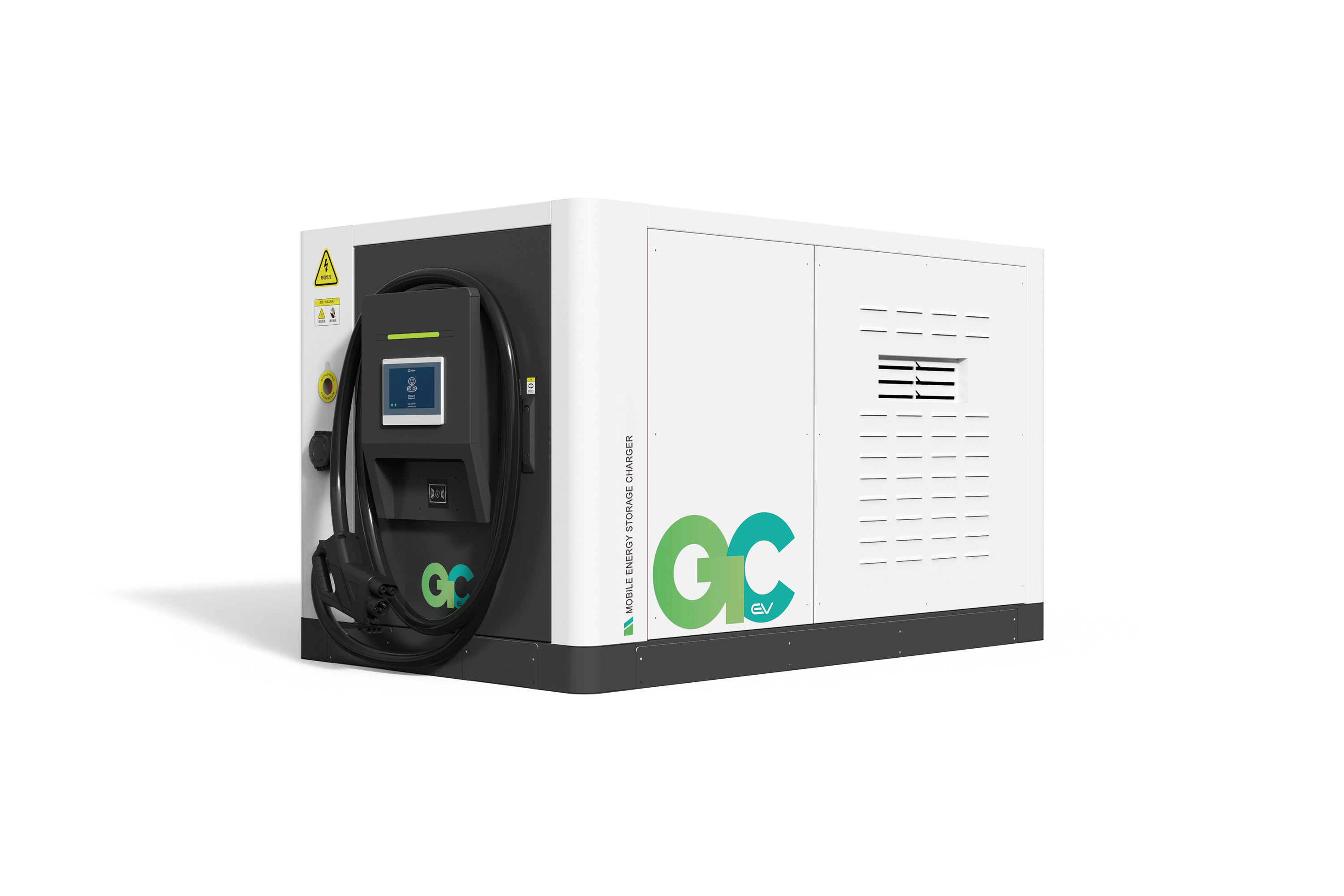
Why mobile charging
Permanent charging sites can take time to permit, build, energize, and scale. Mobile EV chargers give project teams a practical way to support charging demand while infrastructure plans mature.
Support vehicles at depots, service points, temporary lots, or event locations without relying only on fixed chargers.
Use battery-powered mobile charging as a flexible layer when permanent electrical work is delayed or limited.
Roadside assistance, fleet operations, vehicle testing, temporary charging and emergency support have different usage patterns.
Capacity, charging power, connectors, operating environment, logistics and service plan should be reviewed together.
Solution architecture
For a dependable deployment, the charger, battery system, operating workflow and service model need to be matched to the vehicles and site conditions.
Define vehicle types, charging sessions, site access, available power, relocation frequency and operating environment.
Compare capacity, charging power, product format, connector needs, recharge method and logistics constraints.
Plan delivery, placement, safety procedures, operator training, service schedule and documentation requirements.
Use feedback from real charging workflows to refine dispatch, scheduling, equipment usage and future infrastructure planning.
Product range
Explore published LiCharger product pages. Final specifications and suitability should be confirmed with LiCharger before procurement or project design.
For smaller service workflows, flexible demonstrations and charging support where compact mobility matters.
View product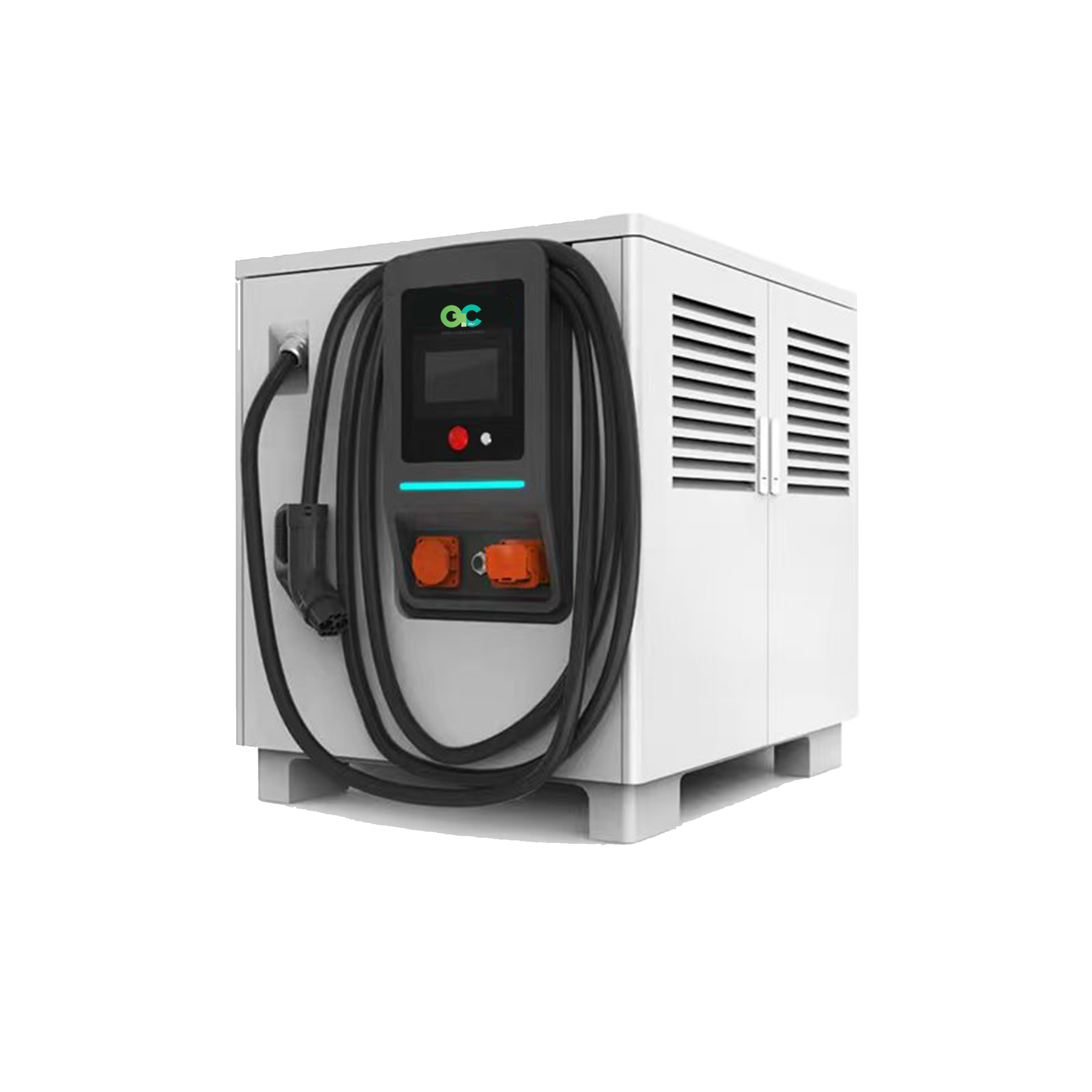
For fleet, service and temporary charging scenarios that need a mobile battery-powered DC charging option.
View product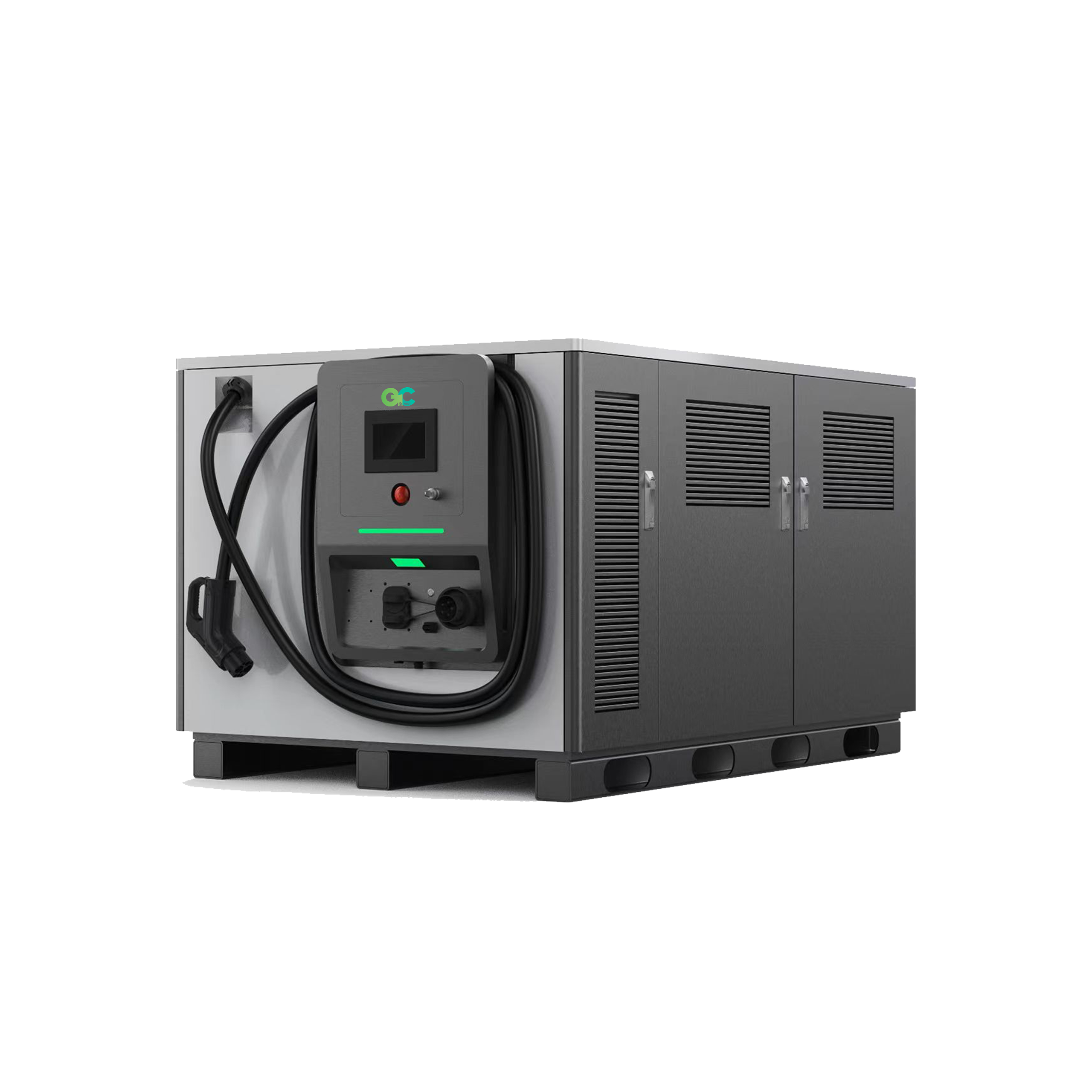
For projects that need larger mobile charging capacity and more demanding operating workflows.
View product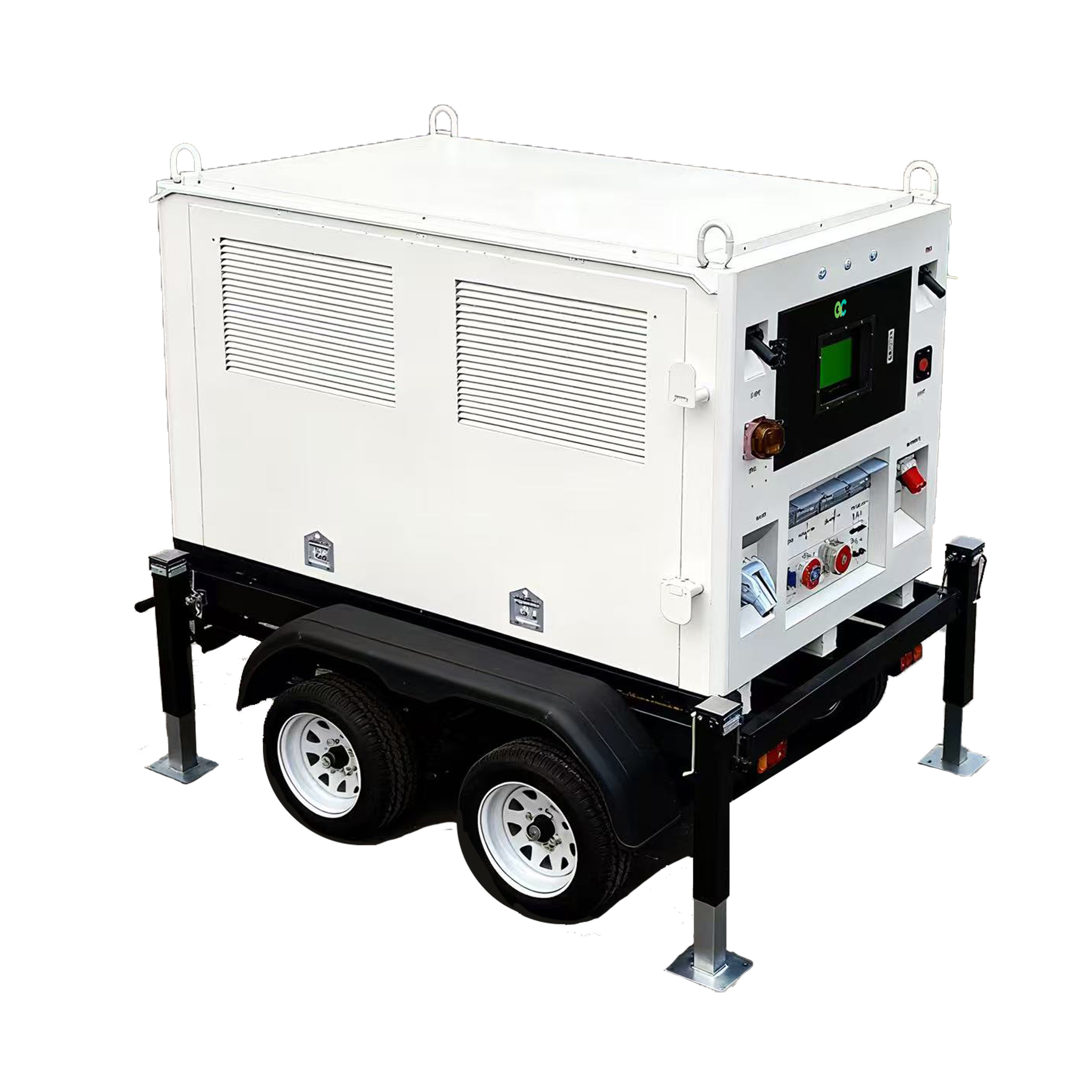
For operators evaluating higher-capacity mobile charging support across multi-vehicle use cases.
View product
For projects that require a published 209kWh mobile charging product page in the LiCharger range.
View product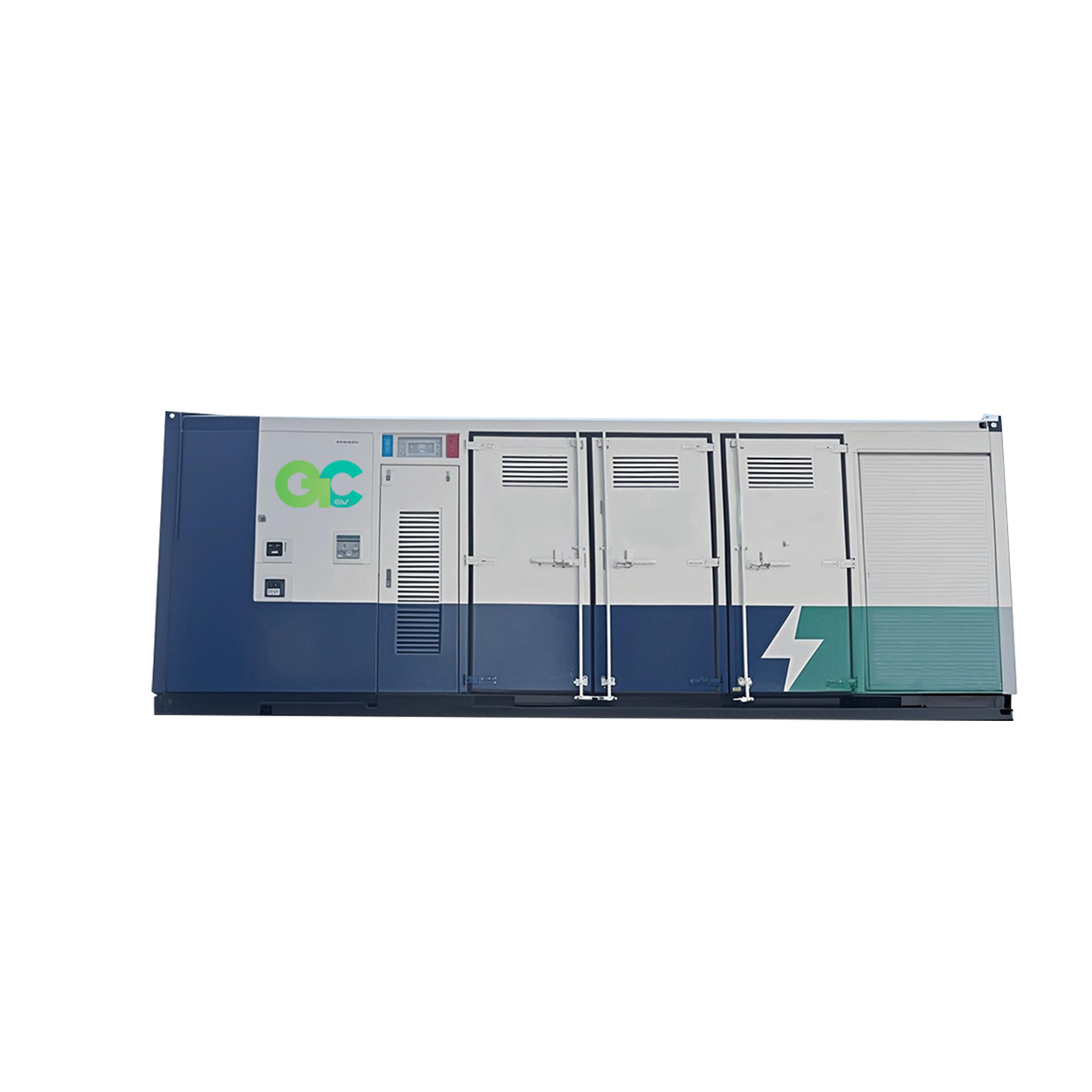
For larger mobile charging and energy storage charging platform discussions.
View productApplications
A strong mobile EV charging page should answer how different buyers would actually use the equipment. These are common project patterns for mobile DC fast charging.
Add charging support for fleet transitions, pilot programs, overflow demand or temporary vehicle operations.
Bring charging capability closer to stranded or low-battery EVs when towing is not the preferred first response.
Support charging at exhibitions, test drives, seasonal locations, parking areas and project sites with temporary demand.
Test charging demand before committing to permanent civil works, utility upgrades or long-term equipment placement.
Support OEM, dealer, rental, logistics and service teams that need charging capacity around moving vehicle operations.
Add a movable support layer when fixed chargers are offline, overloaded, unavailable or still under construction.
Selection guide
For ranking and for real buyers, a useful page should help visitors think through purchase criteria. Use this list as a project discussion framework, then confirm product details with LiCharger.
Get selection supportMatch the stored energy range to expected charging sessions, vehicles per shift and recharge opportunities.
Confirm target charging speed, vehicle compatibility, connector requirements and operator workflow.
Review whether the project needs compact equipment, wheeled mobile charging, trailer-style operation or larger platform capacity.
Plan transport, access, parking, weather exposure, safety procedures and the environment where the charger will operate.
Define how the unit will be recharged, monitored, maintained and supported after deployment.
FAQ
These answers are intentionally practical and conservative. Detailed specifications should be confirmed against the final selected product.
A mobile EV charger is charging equipment that can be moved to the vehicle or temporary charging site. It is useful when fixed charging infrastructure is unavailable, delayed, overloaded or needs backup support.
Fixed DC chargers are installed at a permanent site. Mobile EV charging equipment is designed for flexible deployment, temporary projects, service workflows and locations where permanent charging is not yet practical.
Common applications include fleet depots, roadside assistance, event charging, temporary sites, vehicle testing, rental operations, service centers and emergency charging support.
Prepare vehicle models, charging connector needs, expected charging sessions, site conditions, available power, mobility requirements, target operating region and project timeline.
Yes. Operators can use mobile charging to validate demand, support pilot programs and bridge temporary gaps while permanent charging infrastructure is being planned or built.
You can review the published product pages linked above and contact LiCharger to confirm final specifications, configuration options and project fit.
Share your vehicle type, charging scenario, location, expected workflow and timeline. LiCharger can help review which mobile EV charging product direction fits your project.